MEDICAL INSIGHTS

Latest News & Health Tips

Stay informed with expert articles on cardiology, heart health, and medical advancements.

Heart Healthy Diet

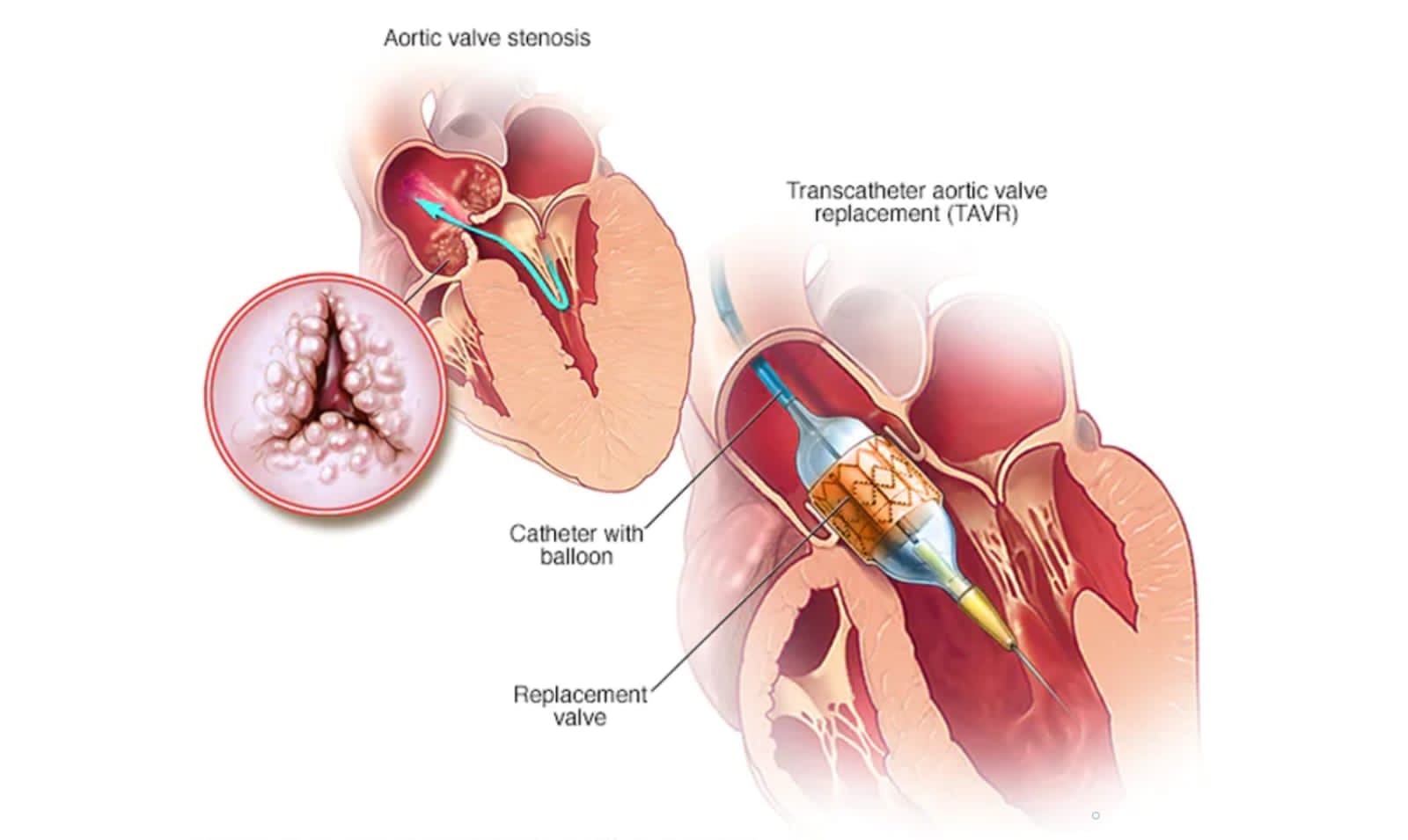
TAVI: Minimally Invasive Treatment for Aortic Stenosis

TAVI, or Transcatheter Aortic Valve Implantation, is a minimally invasive procedure used to replace a narrowed aortic valve in patients with severe aortic stenosis, who are often not suitable candidates for open-heart surgery. In this procedure, a compressed artificial valve (for example, an Edwards SAPIEN or Medtronic Evolut valve) is delivered to the heart through a catheter, typically via the femoral artery. Once in position, the valve is expanded so that it pushes aside the diseased valve leaflets and takes over their function. Fluoroscopy and echocardiography are used to guide precise placement, helping to reduce risks such as paravalvular leak or conduction disturbances.

Read Article
Angioplasty Guide

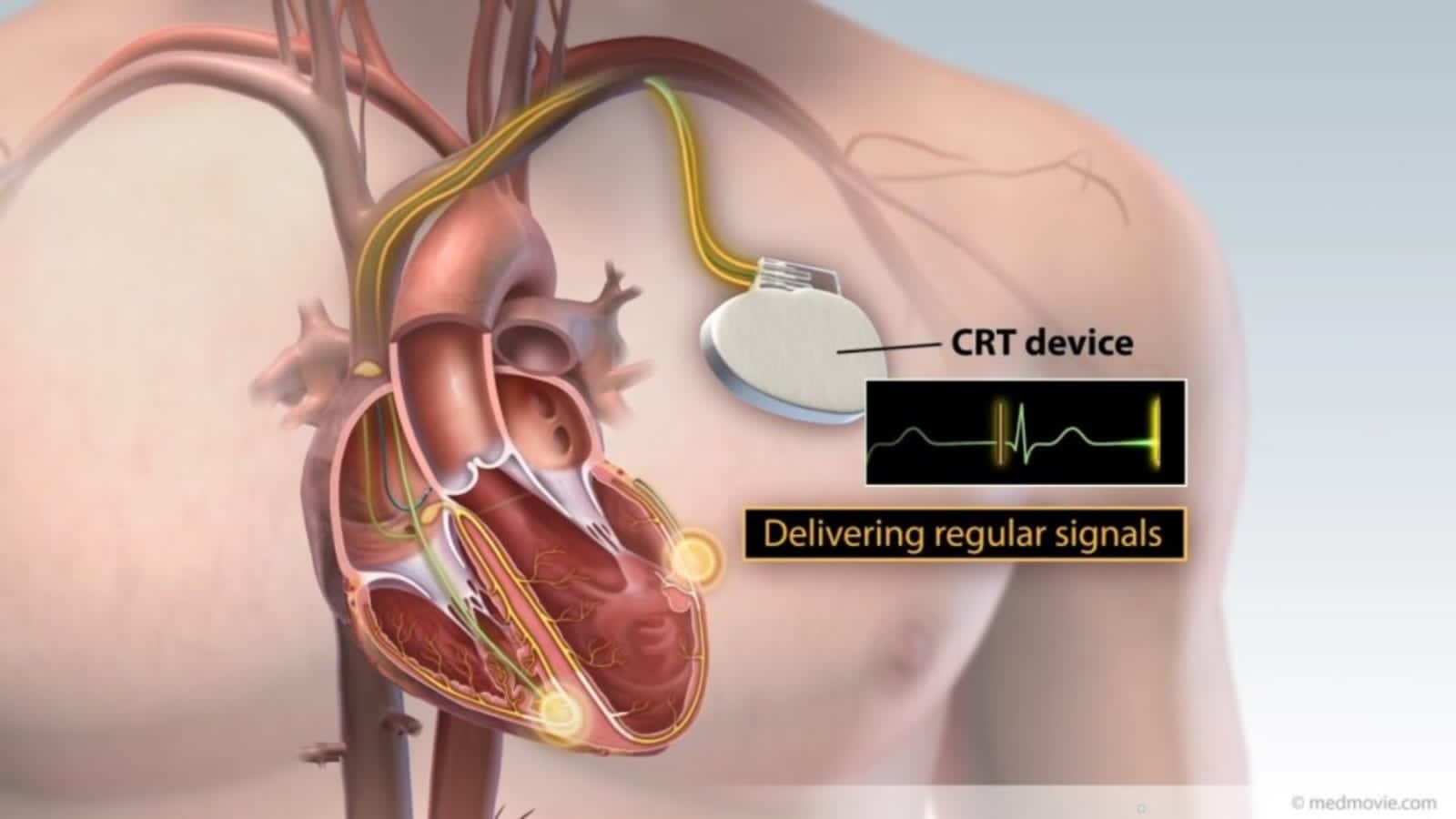
CRT-D: Advanced Therapy for Heart Failure and Arrhythmias

CRT stands for Cardiac Resynchronization Therapy, a device implanted in patients with heart failure to synchronize heart ventricle contractions and deliver shocks for life-threatening arrhythmias. It combines pacing leads in both ventricles with defibrillation capabilities, improving heart pumping and cardiac output. A CRT-D includes a pulse generator under the skin near the collarbone, connected to leads in the right atrium, right ventricle, and coronary sinus for left ventricle pacing. It senses irregular rhythms and delivers resynchronization pulses or defibrillating shocks as needed.

Read Article
Stress Management

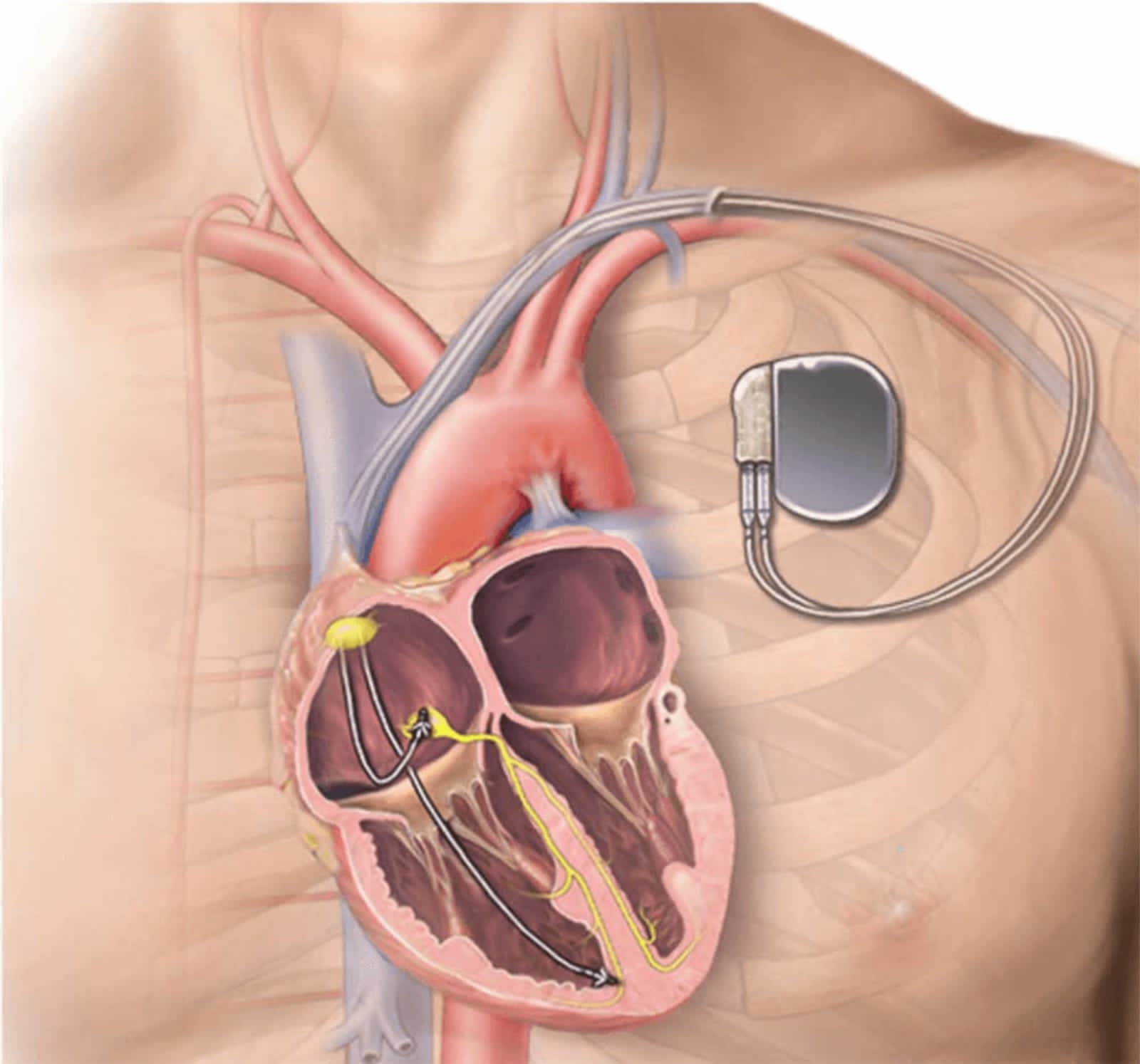
Pacemaker Implantation: Reliable Treatment for Slow Heart Rhythms

Pacemaker implantation is a common cardiology procedure to treat bradyarrhythmias by placing leads into the heart via veins and connecting them to a subcutaneous generator.

Read Article
High BP

Coronary Angioplasty: Effective Treatment to Open Blocked Heart Arteries

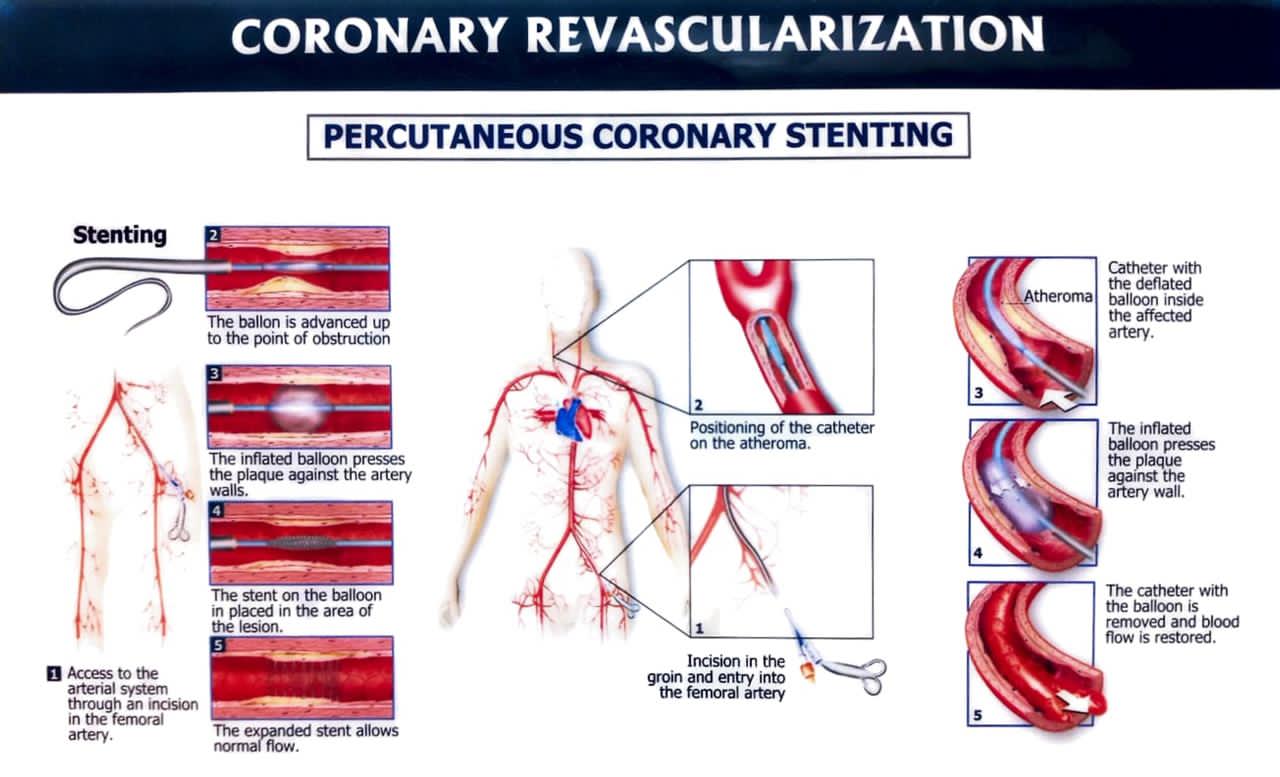
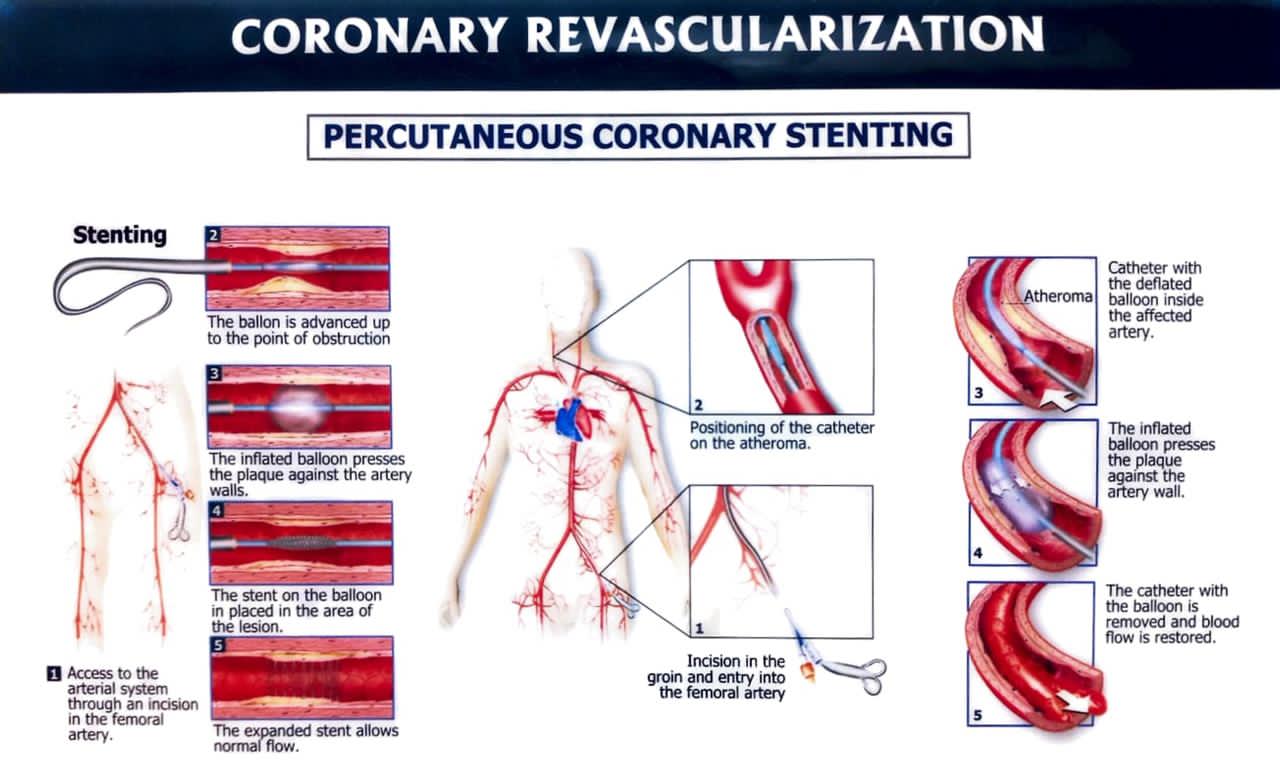
Coronary Angioplasty - Process to remove blockages in the coronaries. A small tube catheter is passed to the Coronary artery and a wire is placed at the blockage site and then dilated with a balloon to remove the blockage. Then if required a balloon is placed to prevent the immediate closure at the blocked site.

Read Article
Heart Exercises

Coronary Revascularization: Restoring Blood Flow to the Heart

Coronary Revascularization - process to re-establish the blood flow inside the blocked arteries. It can be by two ways: 1. Percutaneous Transluminal Coronary Angioplasty (PTCA) or commonly known as Angioplasty 2. Coronary Artery Bypass Grafting (CABG) or commonly known as Bypass Surgery.

Read Article
Warning Signs

Coronary Angiography: Diagnostic Test for Heart Artery Blockages

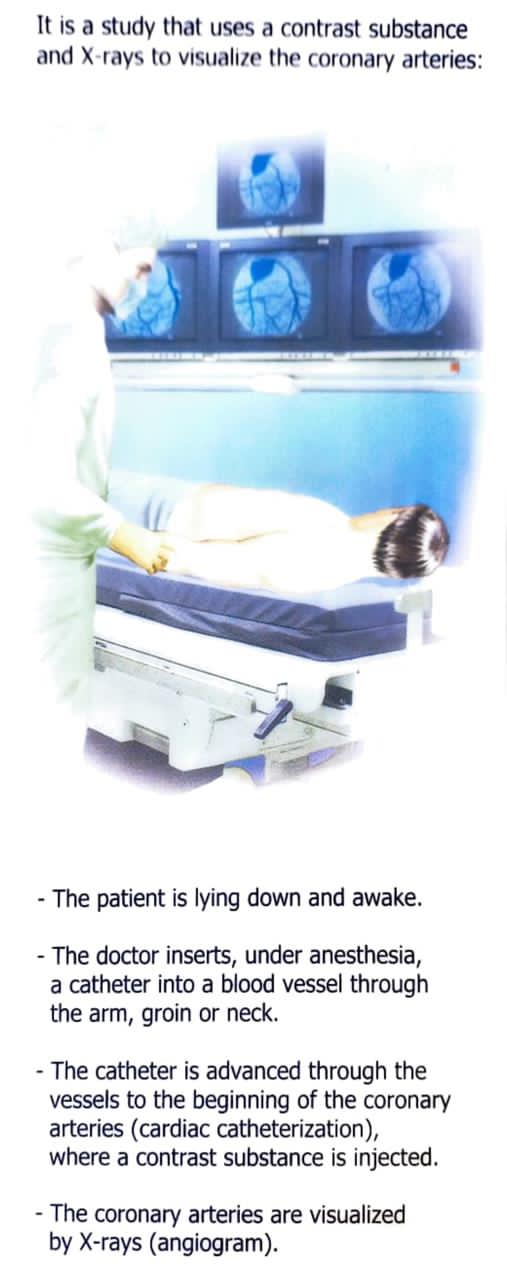
Coronary Angiography - Test to identify the blockages in the blood vessels of the heart by injecting a dye into the blood vessel via a catheter passed through the artery via the hand or leg. It requires hospital admission for one day and blood testing before the procedure.

Read Article
Warning Signs

Transesophageal ECHO: Detailed Imaging of the Heart

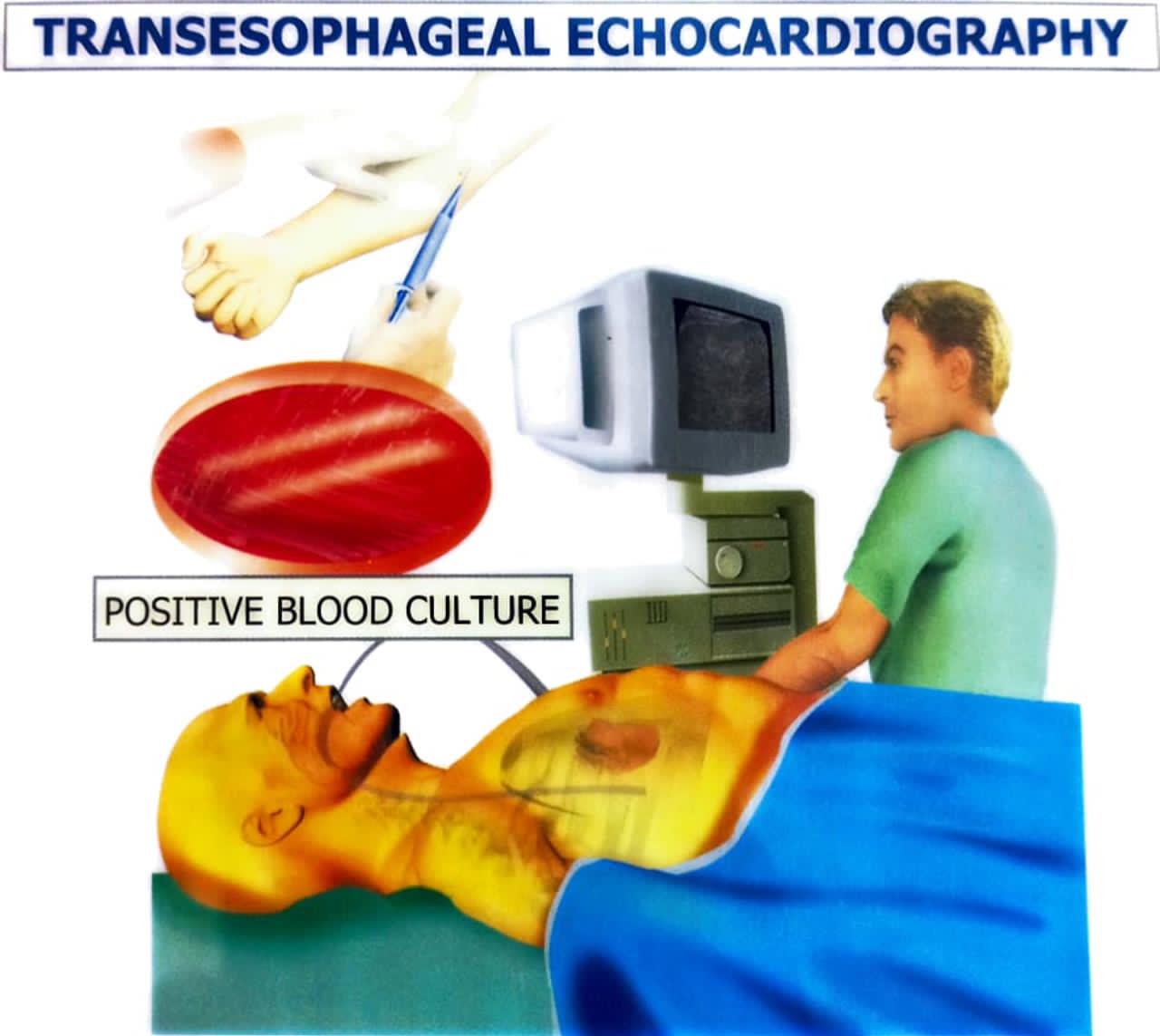
Transesophageal ECHO - Test to look at your heart more closely with the help of a special probe passed down to your food pipe.

Read Article
Warning Signs

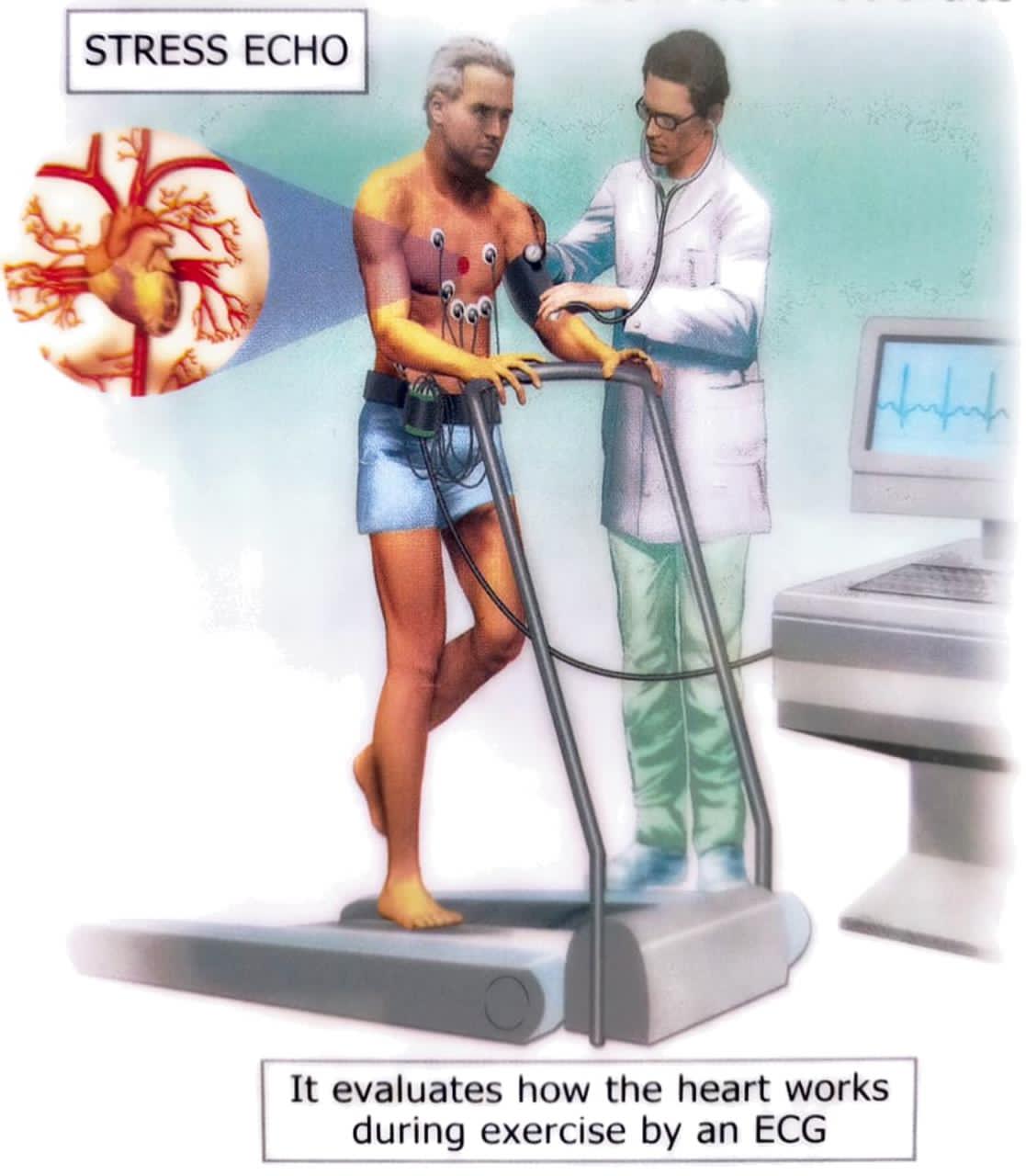
Stress ECHO: Assessing Heart Function During Exercise

Stress ECHO - evaluates the functioning of the heart during exercise with the help of ECG and ECHO.

Read Article
Warning Signs

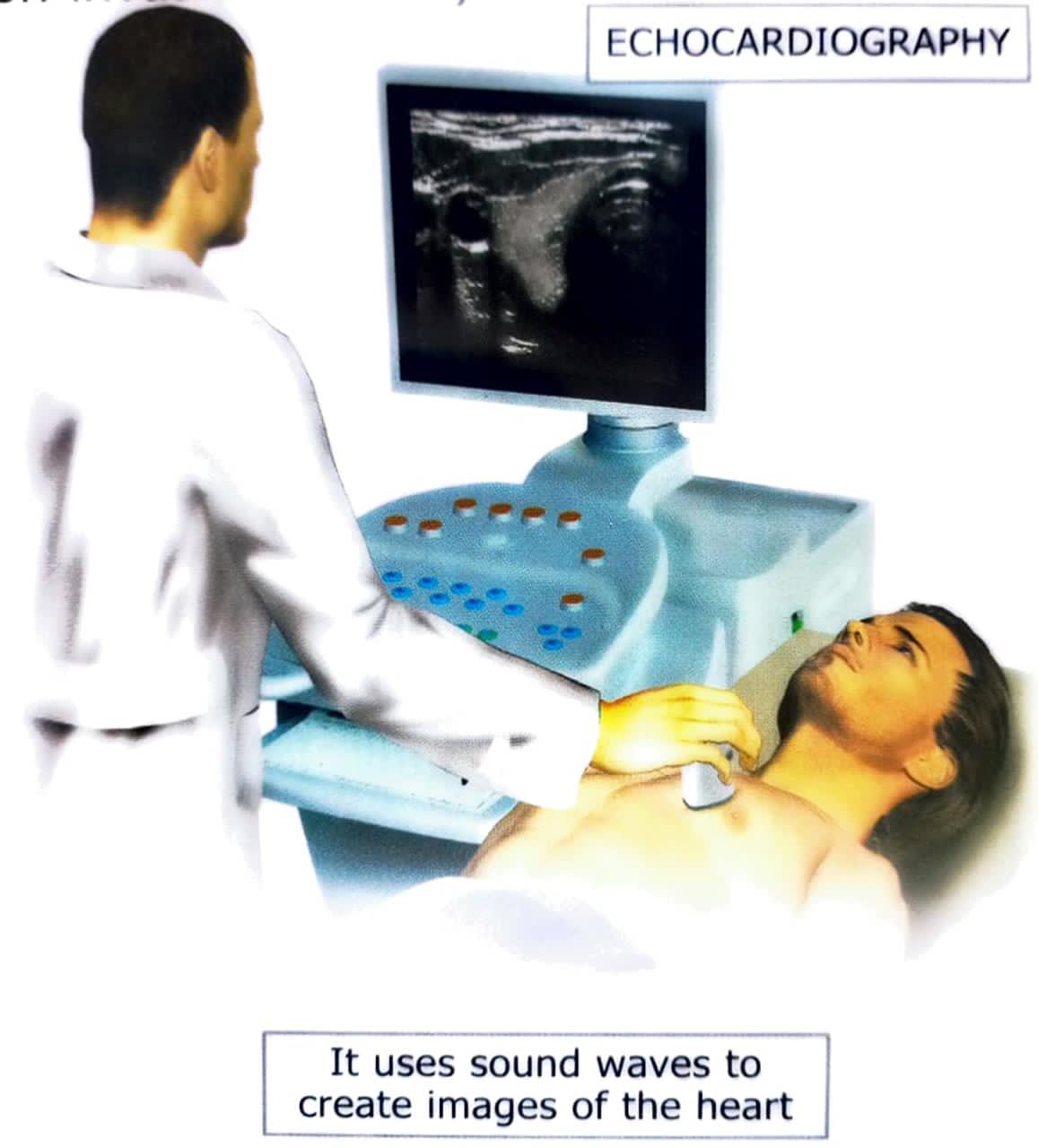
Echocardiography: Evaluating Heart Structure and Function

ECHOCARDIOGRAPHY - Test to know about the structure and functions of your heart.

Read Article
Warning Signs

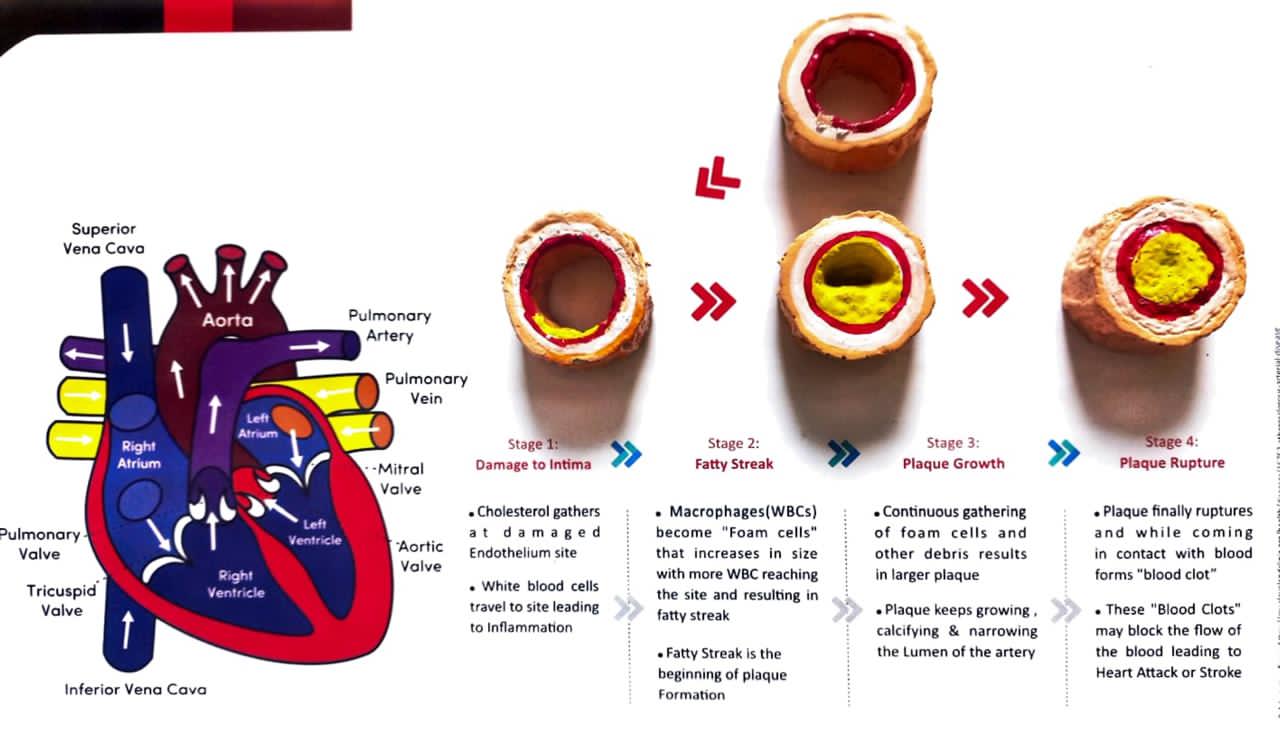
Atherosclerosis

Atherosclerosis – The process of blockage in the heart’s arteries.

Read Article
Warning Signs

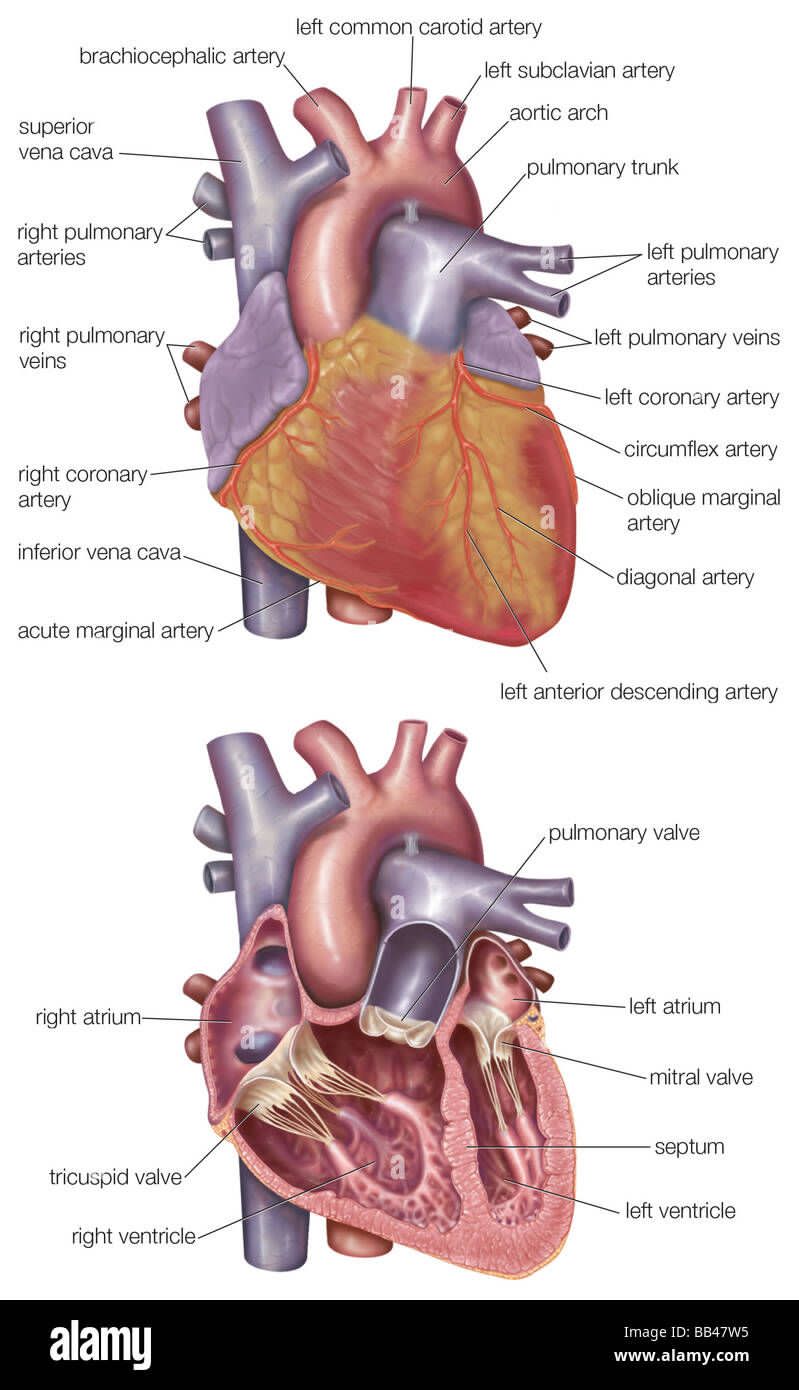
Anatomy of human heart

Anatomy of the human heart – Structure of the heart.

Read Article